Welcome to Amelia Street Urban Forest

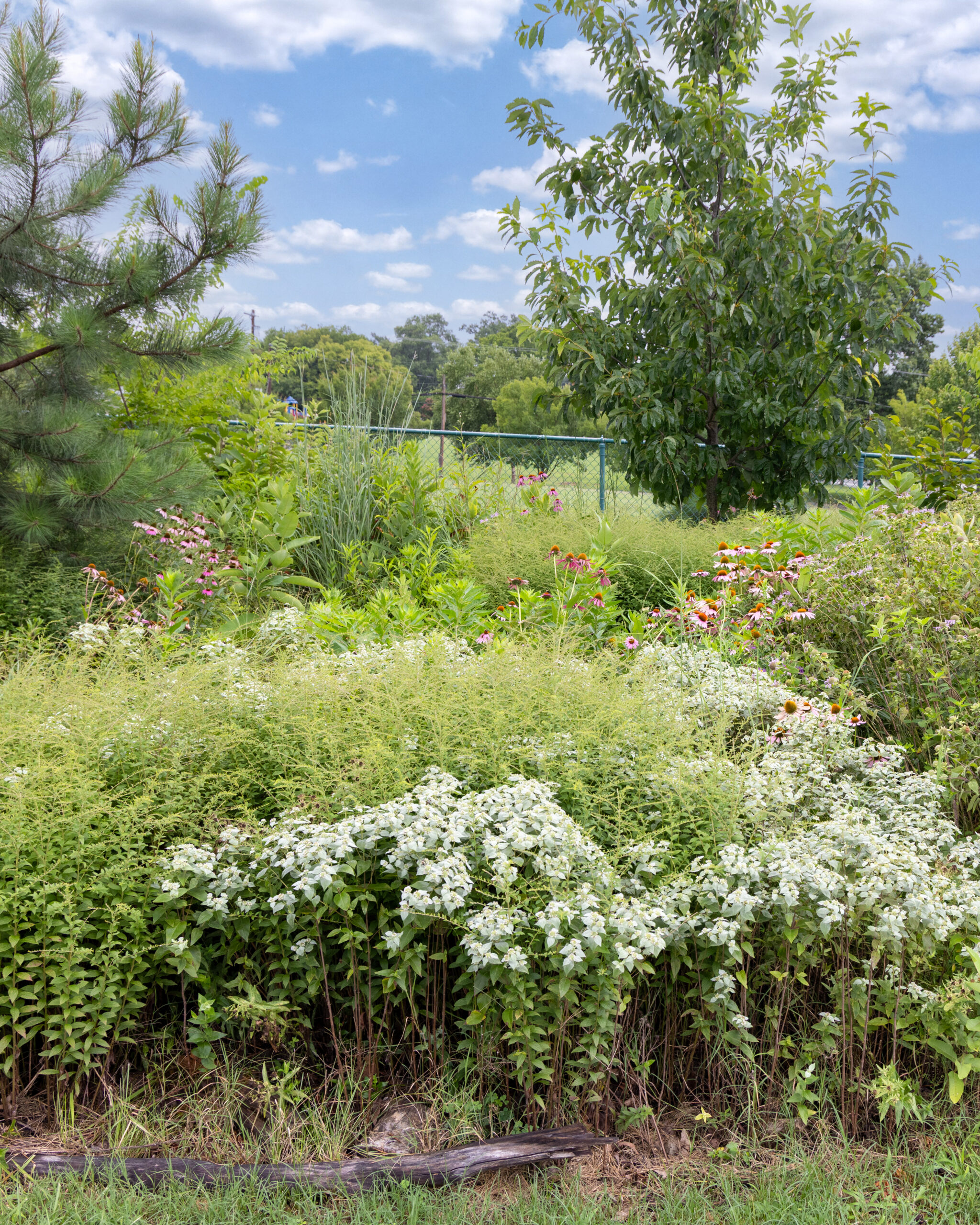
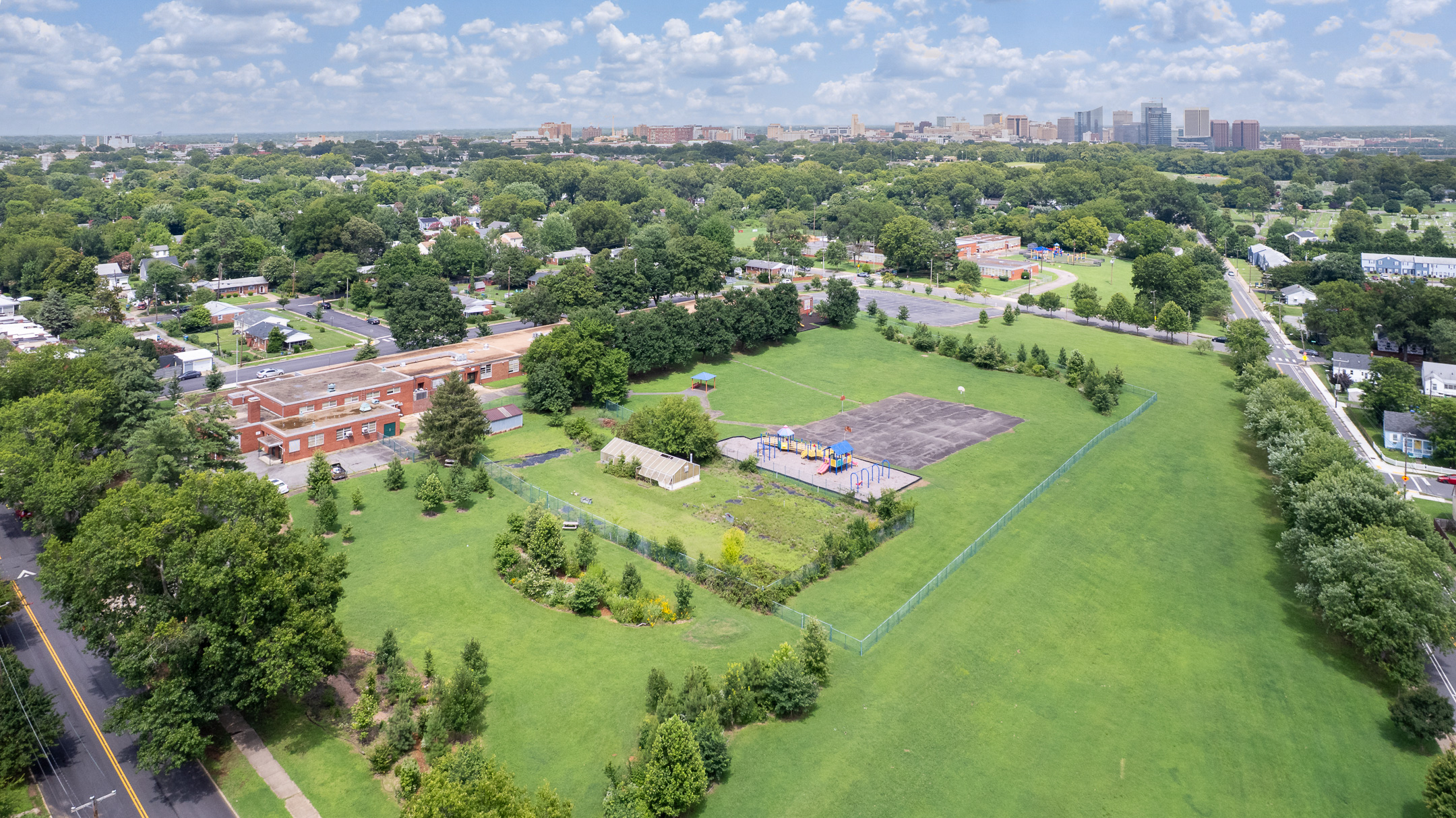
We’re so excited to welcome you to the official website for the Amelia Street Urban Forest—a growing greenspace in the heart of Richmond, Virginia, where community, education, and native ecology come together. Tucked behind Amelia Street School, this special space is more than just a patch of trees and pollinator plants—it’s a living classroom, a neighborhood oasis, and a symbol of what’s possible when people come together to care for the land and each other. Stay tuned for updates on events, volunteer opportunities, and progress as we grow together.

For directions to the greenspace please CLICK HERE. The area outside the fenced playground is open to the public during daylight hours but the playground area is not open to the public during school hours.
How It Started

The idea for the Urban Forest began with a simple observation: that the land behind Amelia Street School had the potential to be so much more. Over the past several years, VCU Sustainability has played a crucial role in maintaining and caring for this space, quietly stewarding it on behalf of the community and the school. Their dedication laid the groundwork for everything that’s coming next.

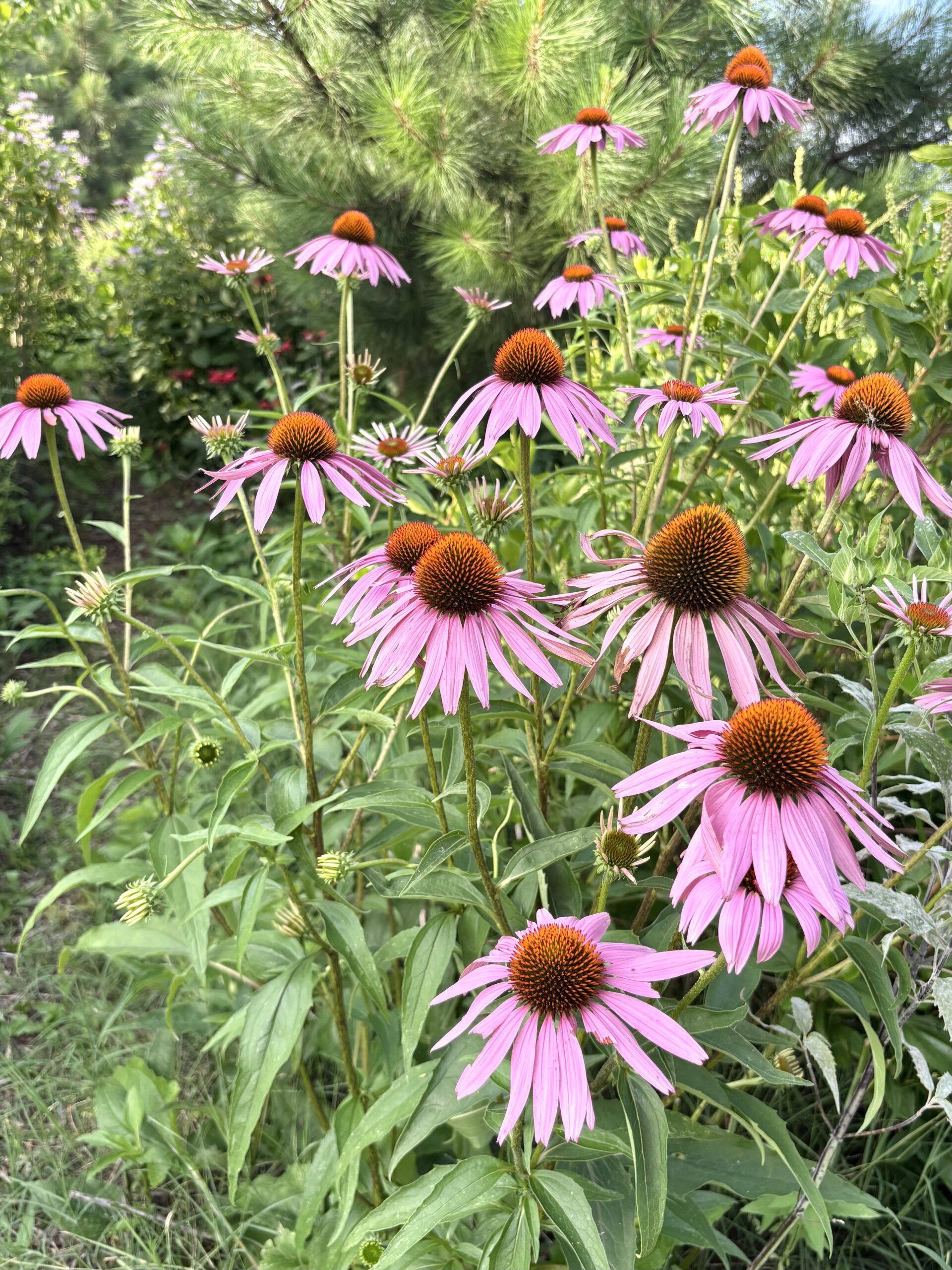
Now, with support from the Alliance for the Chesapeake Bay, the space is set to undergo an exciting transformation—installing native plantings and green infrastructure that will support biodiversity, manage stormwater, and offer hands-on learning opportunities for students.

Construction is expected to begin in January 2026, and we’re working now to build the foundation of a vibrant, community-supported greenspace before the first shovel hits the soil.

Learn More

Why It Matters

Thank You Partners
Helpful Links and Resources

Plant RVA Natives
The Plant RVA Natives campaign promotes the use of plants native to the region in urban and suburban landscapes for their many social, cultural, and economic benefits, and to increase the availability of these native plants in retail centers throughout the region. Native Plants for Virginia’s Capital Region, published by the Plant RVA Natives Campaign, showcases the attractive variety of plants native to the Virginia Capital Region.

From Plant RVA Natives Website – https://www.plantvirginianatives.org/native-plants-for-virginias-capital-region

LERN
Local Ecotype Richmond Natives (LERN) is located in Richmond, Virginia and provides education on the value of local wild plant populations to inspire conservation efforts. LERN grows and distributes plants propagated from locally collected seeds, to benefit native flora and fauna in the Greater Richmond area. Our plants are intended for restoration projects on public lands as well as for homeowners, landscapers and nonprofits committed to supporting our local ecosytems.

From Local Ecotype Richmond Natives Website – https://www.lern-rva.org/

Native Plant Profiles and Lists
The Xerces Society has collaborated with the Lady Bird Johnson Wildflower Center to create plant lists that are attractive to native bees, bumble bees, honey bees, and other beneficial insects, as well as plant lists with value as nesting materials for native bees. These lists can be narrowed down with additional criteria such as state, soil moisture, bloom time, and sunlight requirements.

From Xerces Society Website – https://xerces.org/pollinator-resource-center/mid-atlantic

Native Plants for Pollinators and Beneficial Insects: Mid-Atlantic Region
Recommended native plants that are highly attractive to pollinators such as native bees, honey bees, butterflies, moths, and hummingbirds, and are well-suited for small-scale plantings in gardens, on business and school campuses, in urban greenspaces, and in farm field borders.

From Xerces Society Website – https://xerces.org/pollinator-resource-center/mid-atlantic